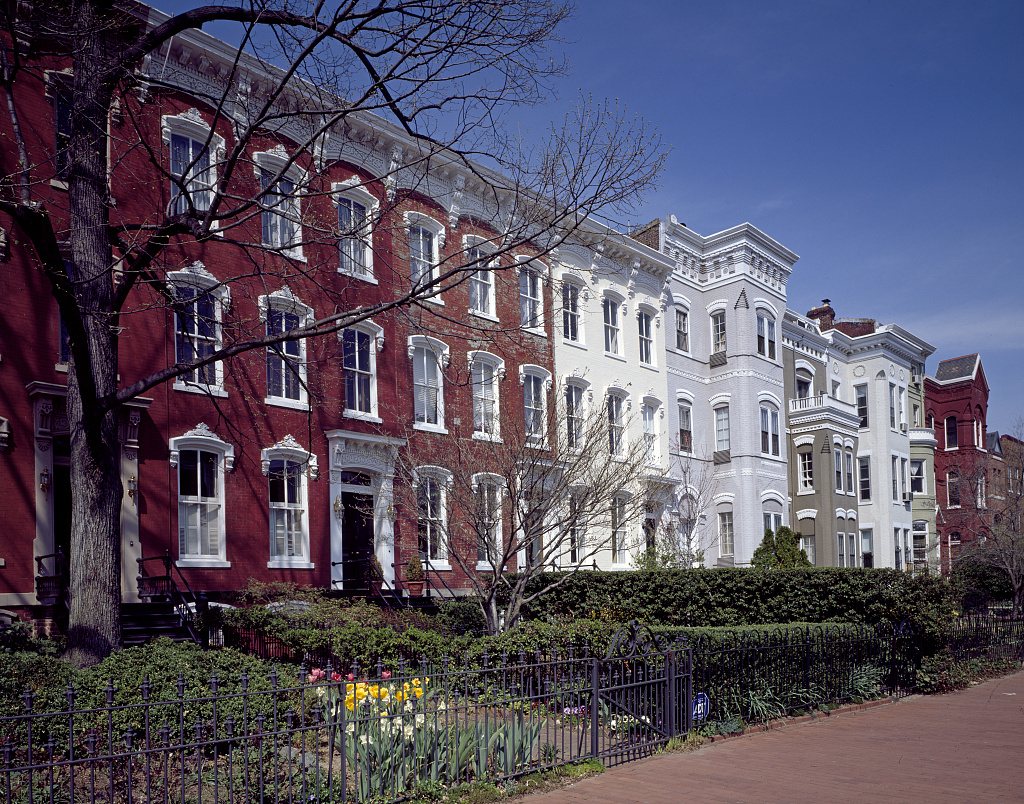
Capitol Hill Washington DC
Capitol Hill’s residential streets record the growth of a working neighborhood beside federal institutions.
Continue reading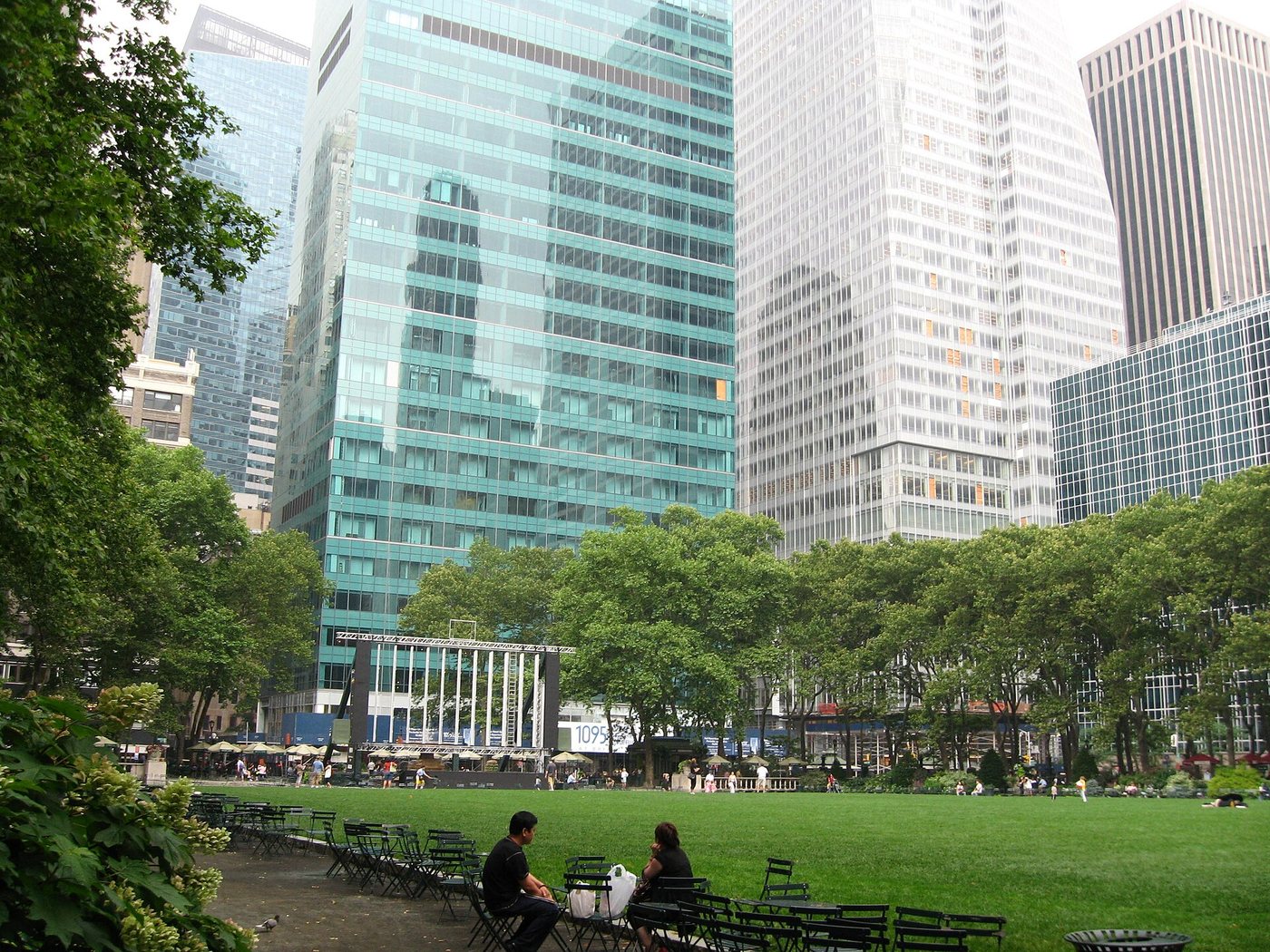
Look beyond a landmark to the streets, homes and overlapping histories around it.
Capitol Hill’s residential streets record the growth of a working neighborhood beside federal institutions.
Continue reading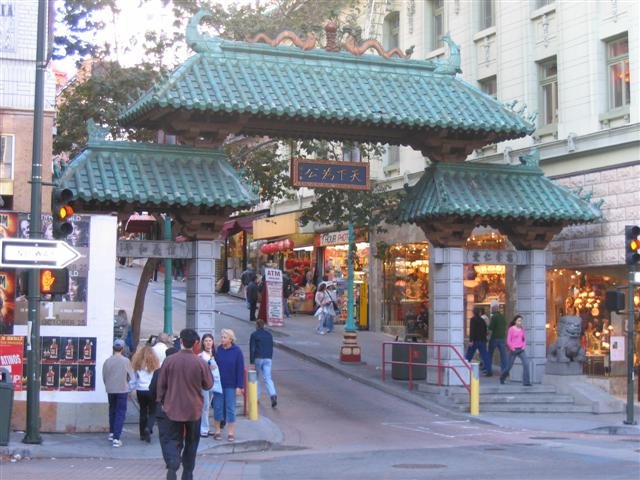
Original uploader was Ванка5 at bg.wikipedia · CC BY-SA 3.0. Resized; thumbnails may be cropped.
Chinatown’s rebuilt streets reflect community resistance, commercial strategy and everyday urban life.
Continue reading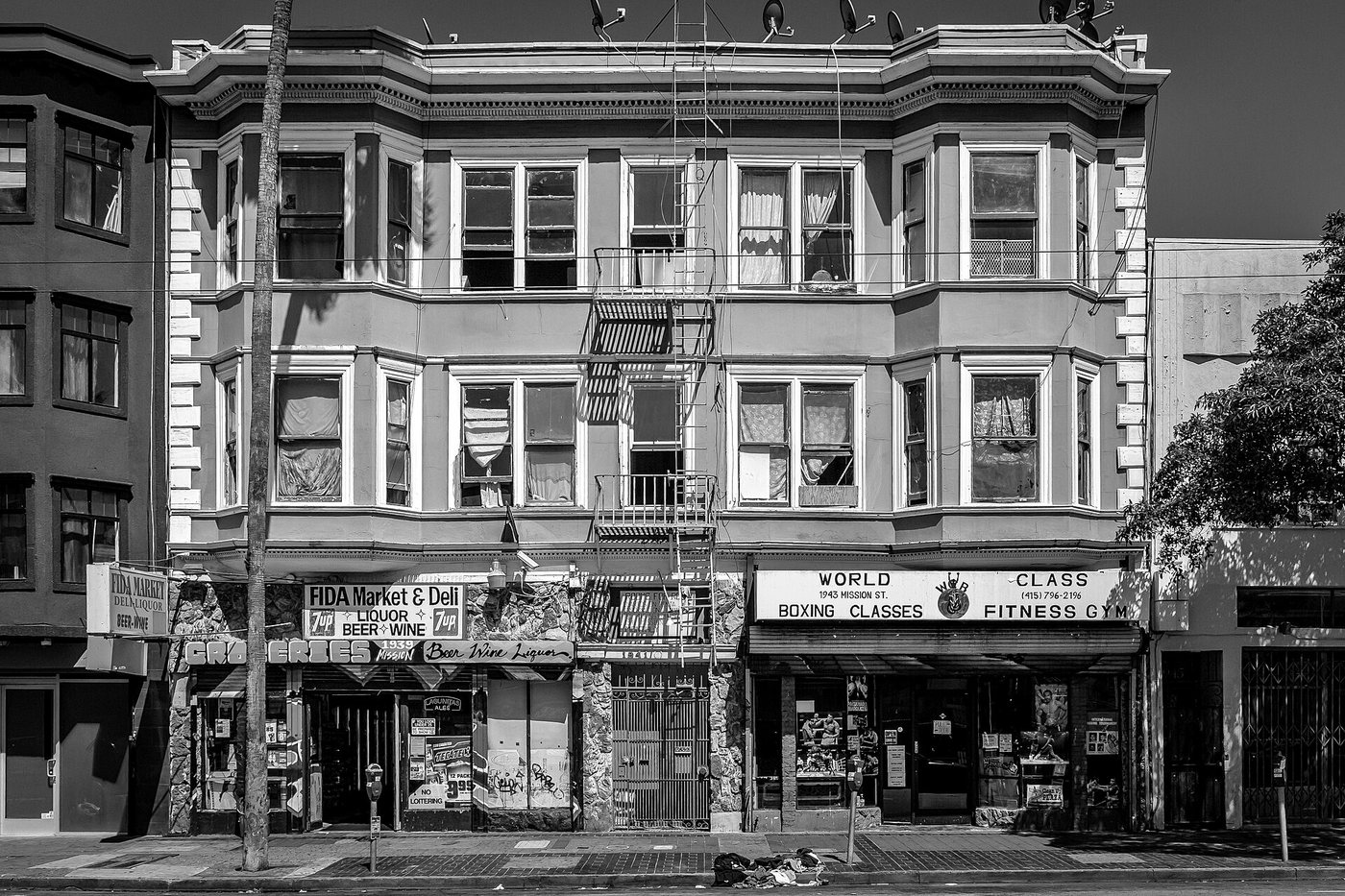
Mobilus In Mobili · CC BY 2.0. Resized; thumbnails may be cropped.
The Mission’s cultural geography includes murals, businesses and institutions whose survival depends on people being able to remain.
Continue reading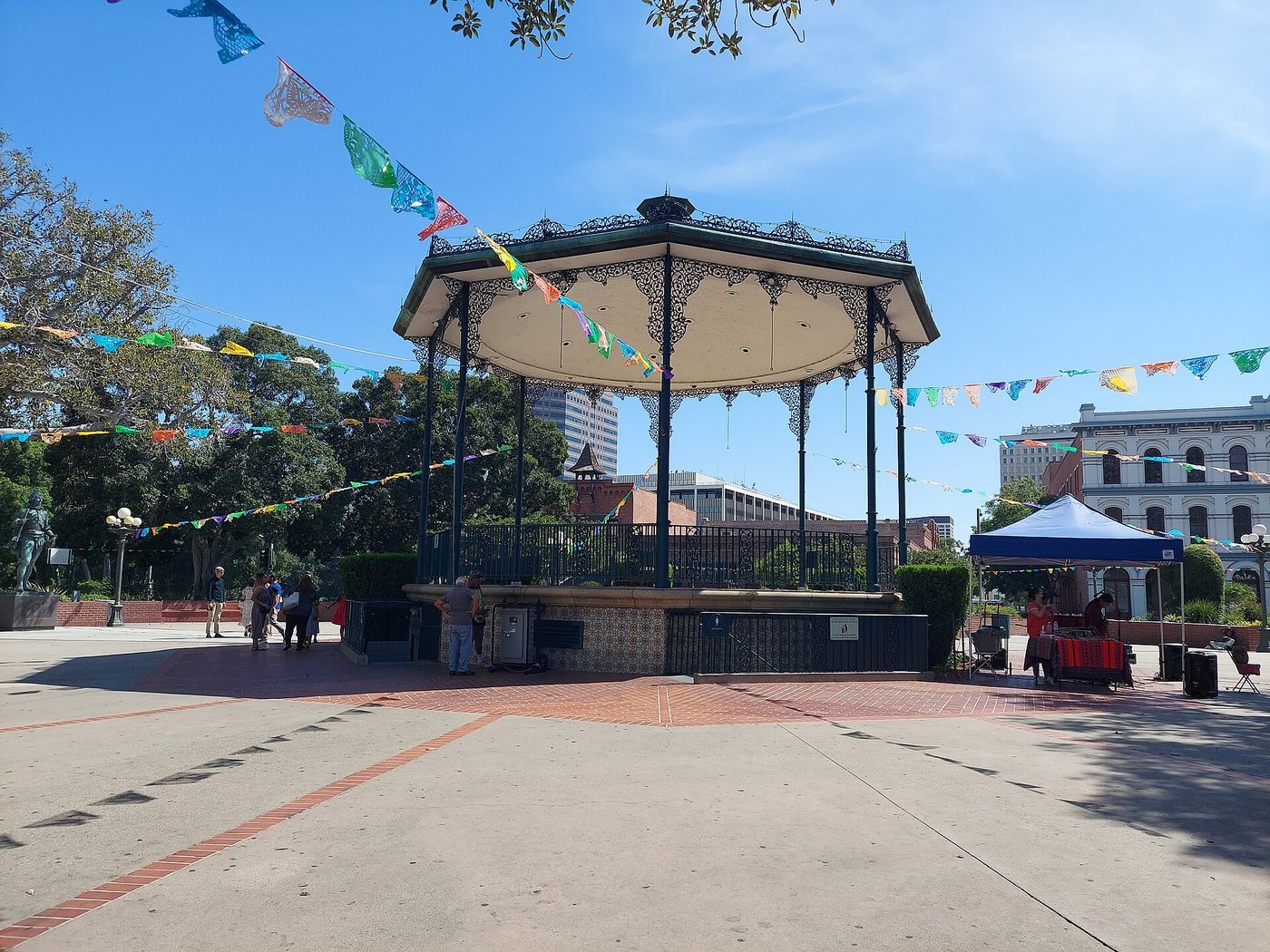
The plaza area preserves buildings from several periods rather than one intact founding moment.
Continue reading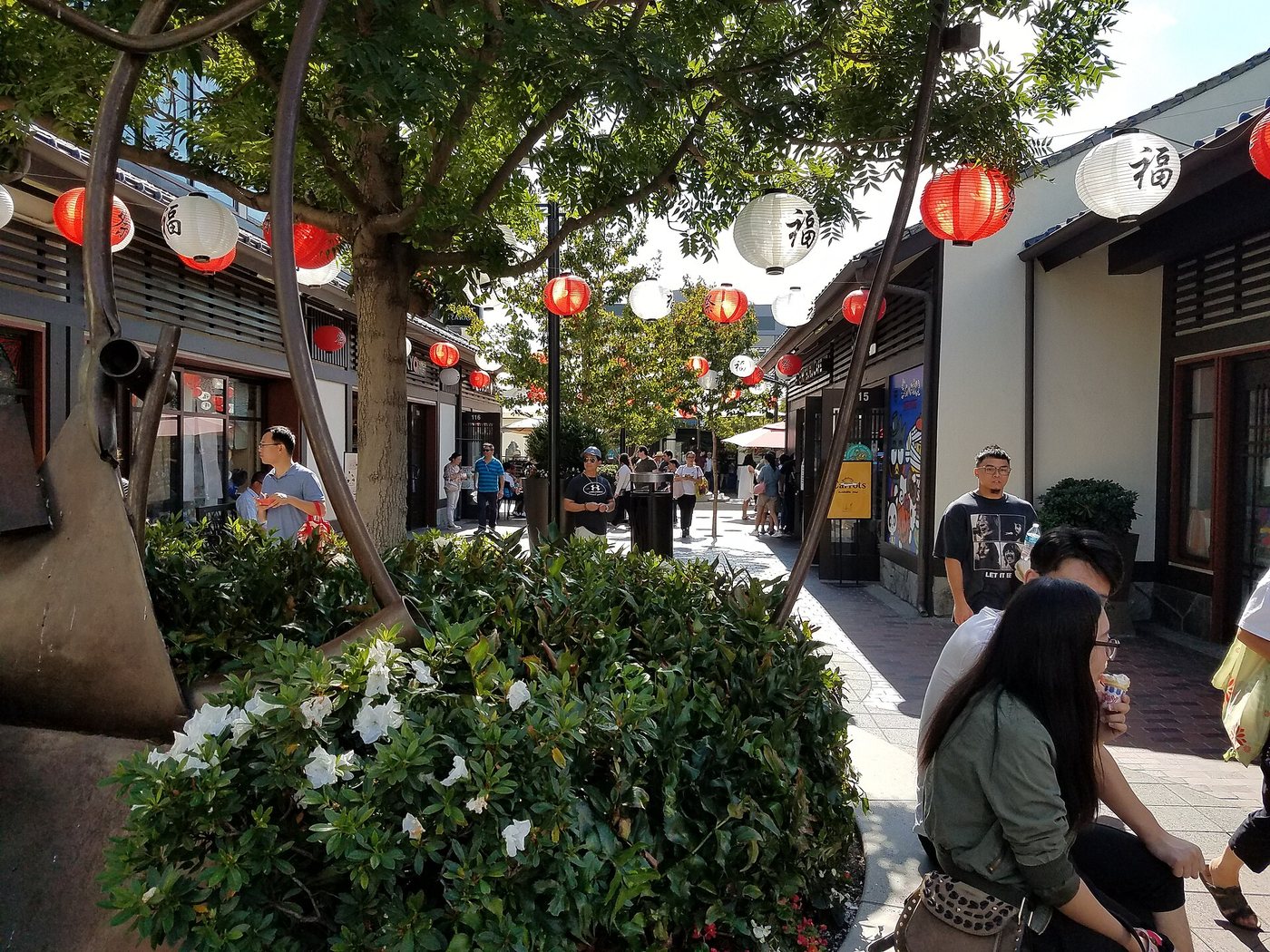
RightCowLeftCoast · CC BY-SA 4.0. Resized; thumbnails may be cropped.
Little Tokyo’s buildings record community formation, forced removal and repeated pressures on the neighborhood.
Continue reading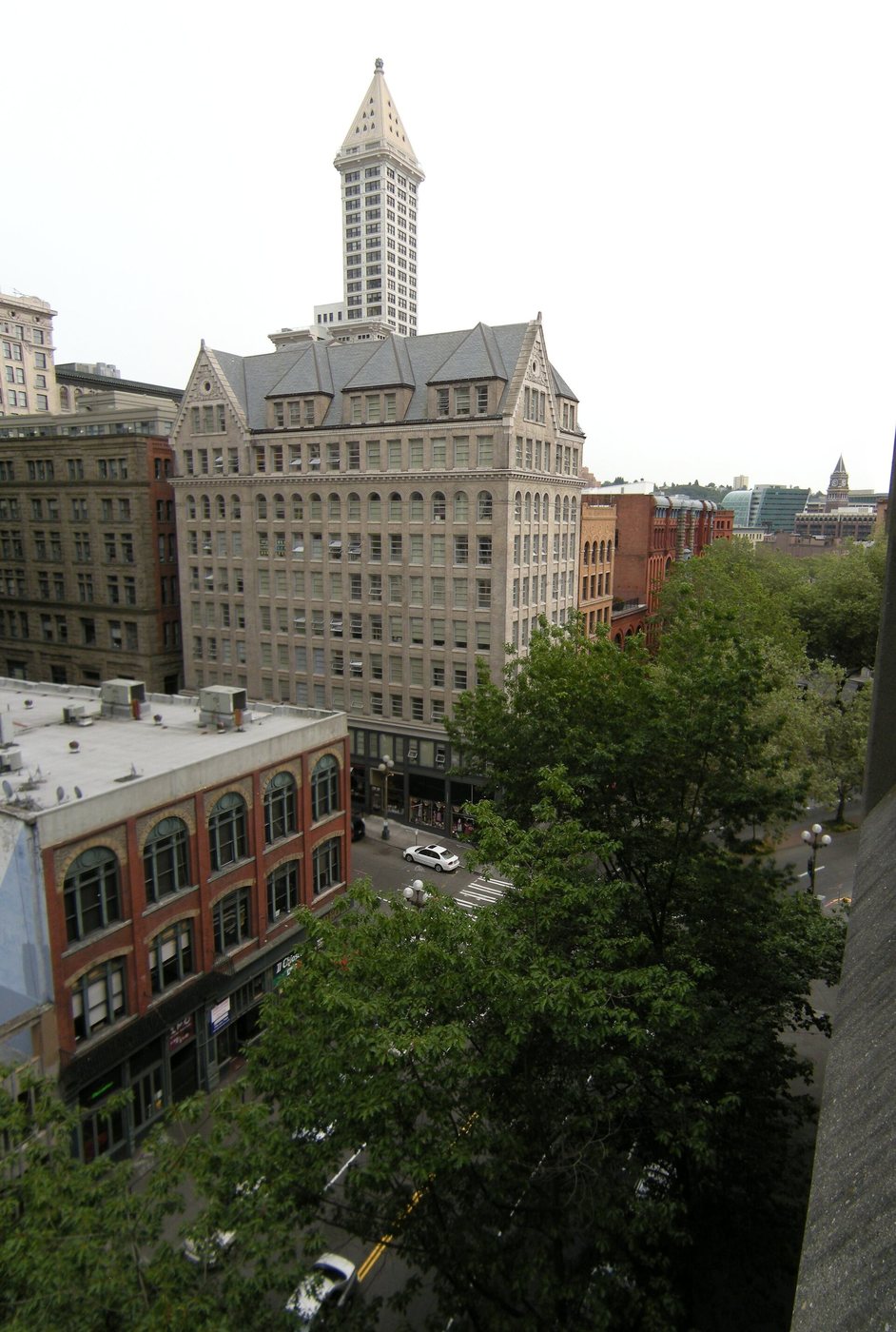
Joe Mabel · CC BY-SA 3.0. Resized; thumbnails may be cropped.
Pioneer Square’s masonry streetscape records rebuilding after fire and later resistance to demolition.
Continue reading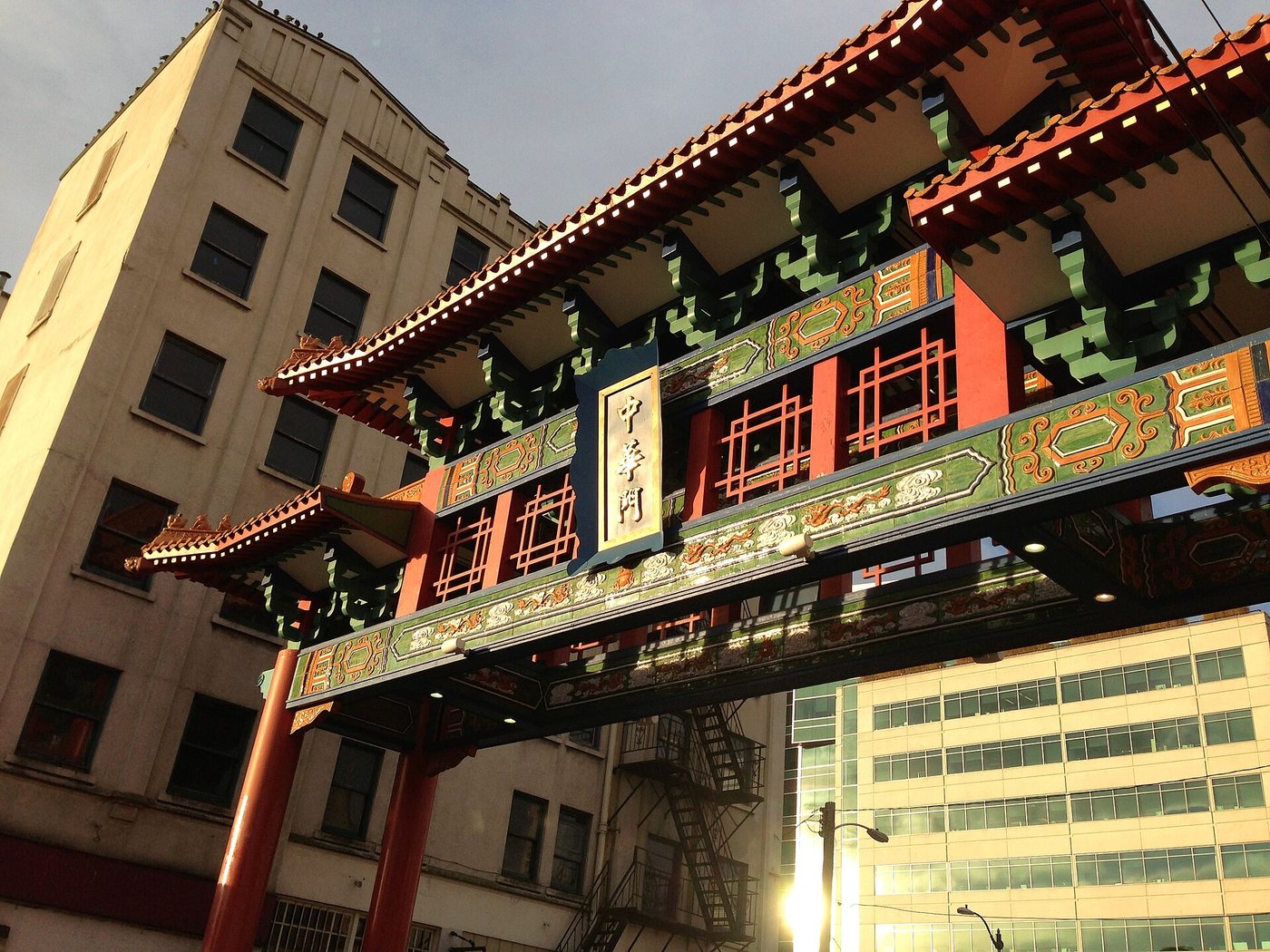
ZhengZhou · CC BY-SA 3.0. Resized; thumbnails may be cropped.
Seattle’s Chinatown–International District contains overlapping community histories rather than one uniform identity.
Continue reading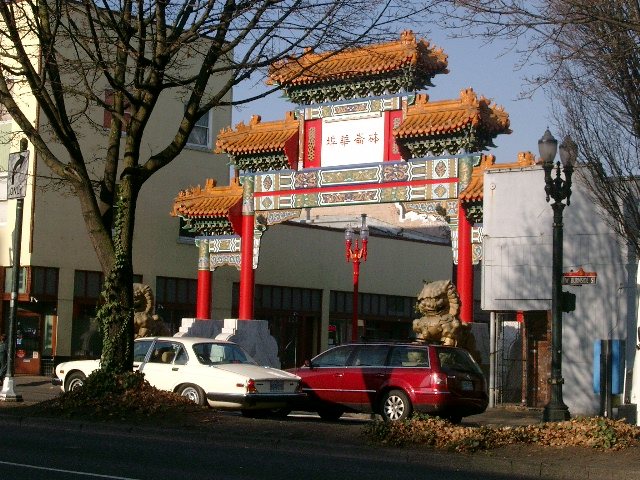
Ajbenj at English Wikipedia · CC BY-SA 3.0. Resized; thumbnails may be cropped.
Old Town Chinatown contains intersecting historic districts and community histories that do not share one simple boundary.
Continue reading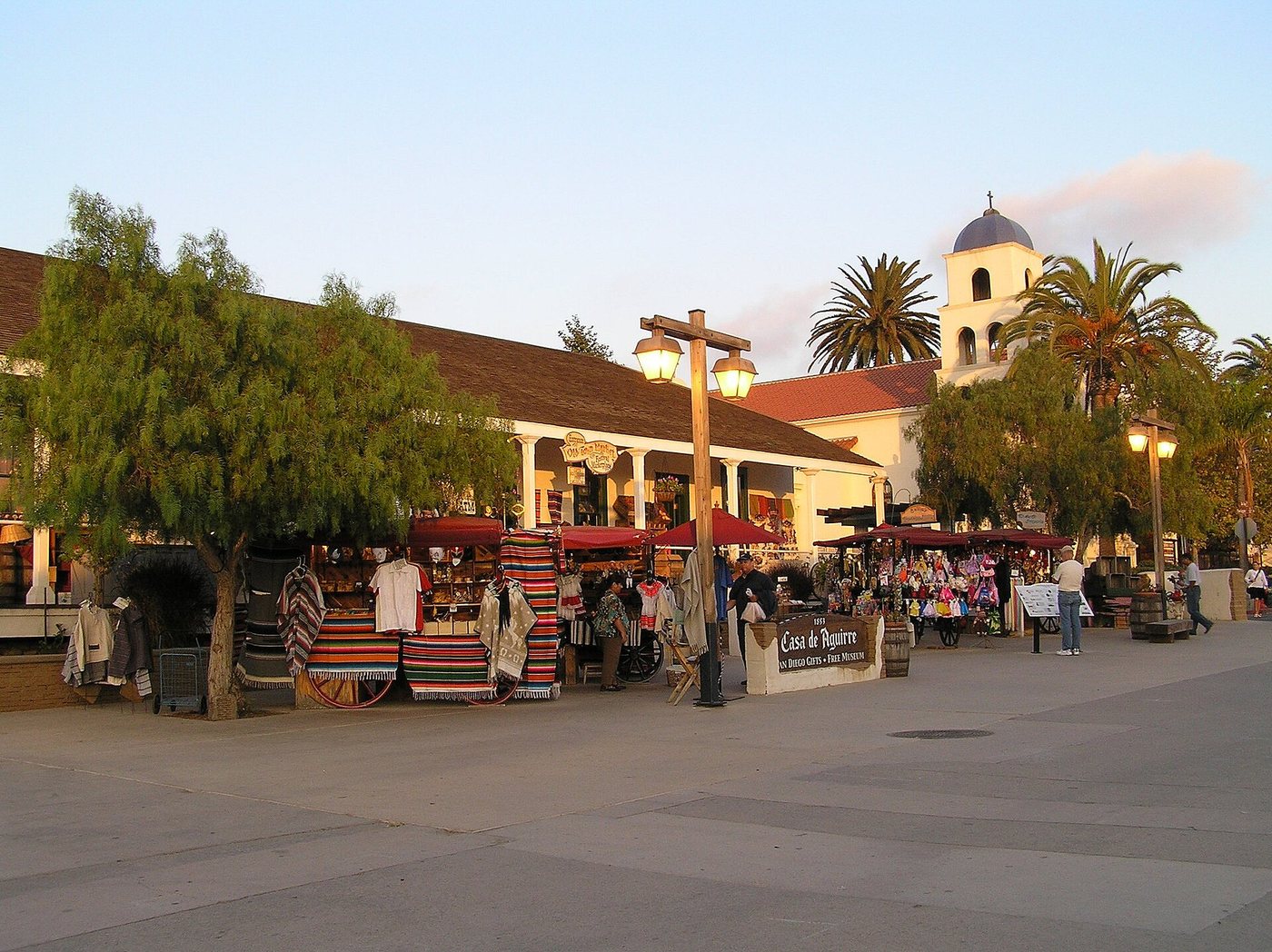
Old Town’s plaza and buildings interpret several periods of San Diego history, including restoration and reconstruction.
Continue reading


