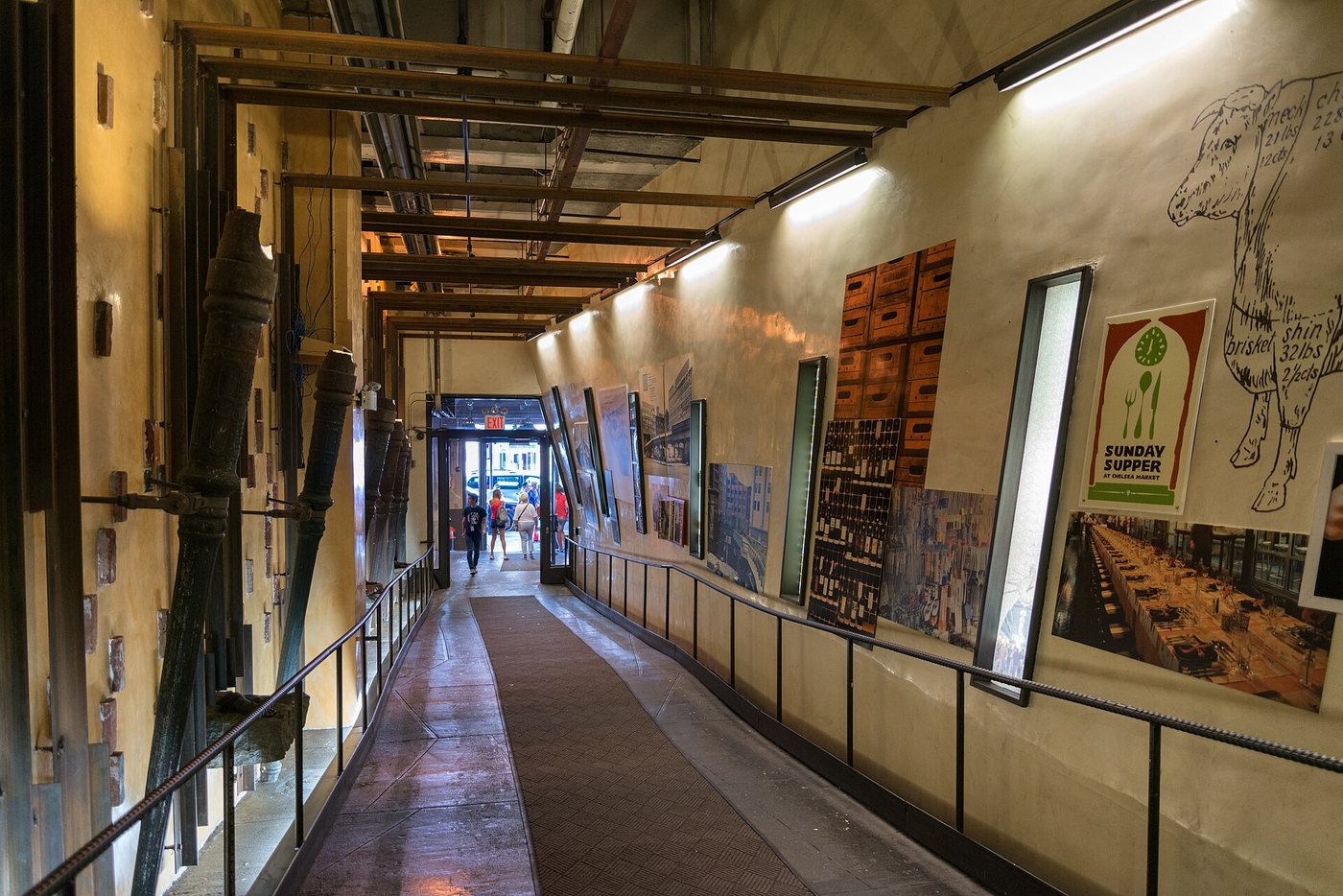
Giorgio Galeotti · CC BY 3.0. Resized; thumbnails may be cropped.

Chelsea Market
The former biscuit works provides a way to understand food production, freight and the later reuse of industrial space.
Continue reading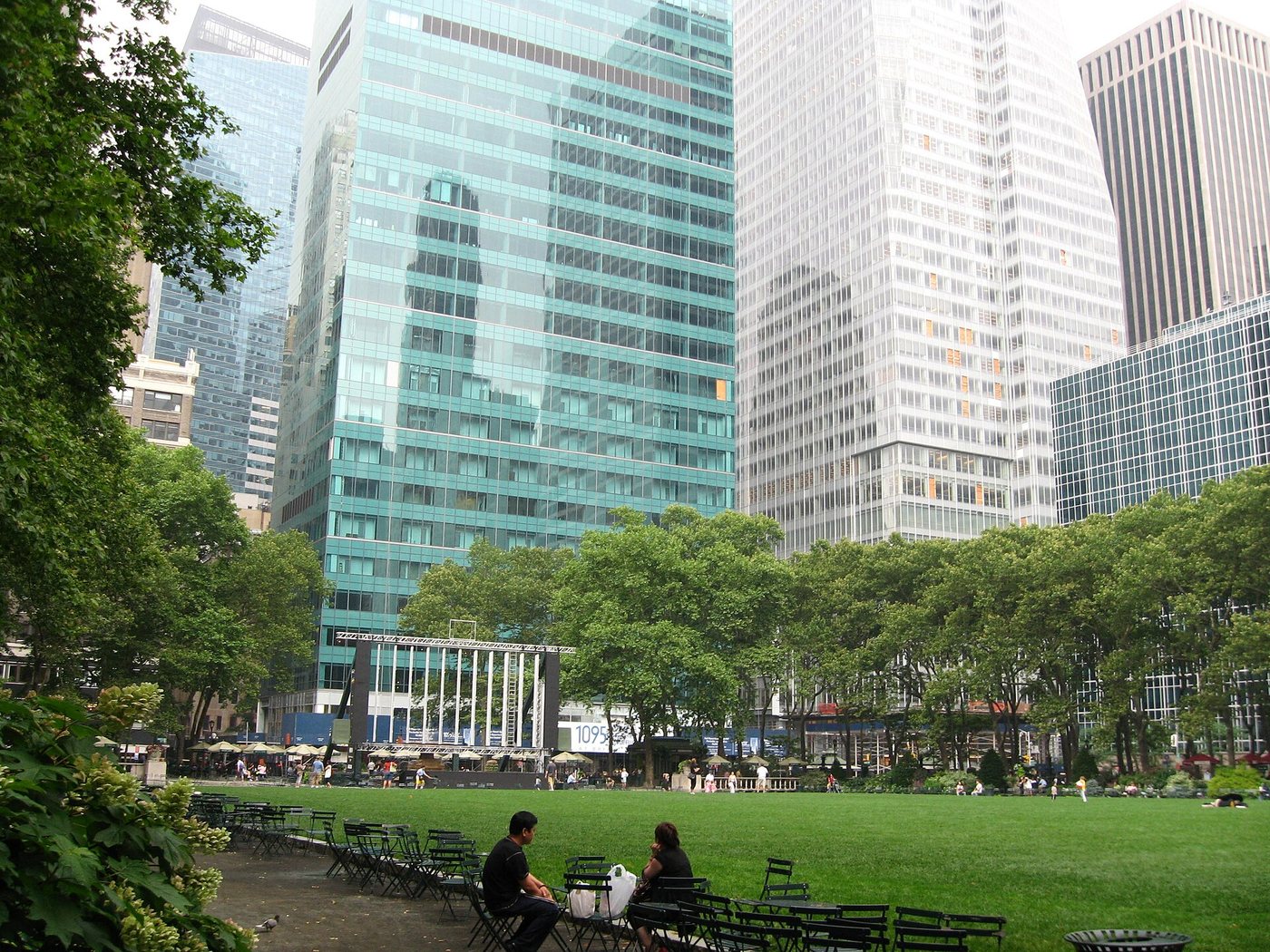
Read a city through market halls, trading streets and the buildings that house them.
Giorgio Galeotti · CC BY 3.0. Resized; thumbnails may be cropped.
The former biscuit works provides a way to understand food production, freight and the later reuse of industrial space.
Continue reading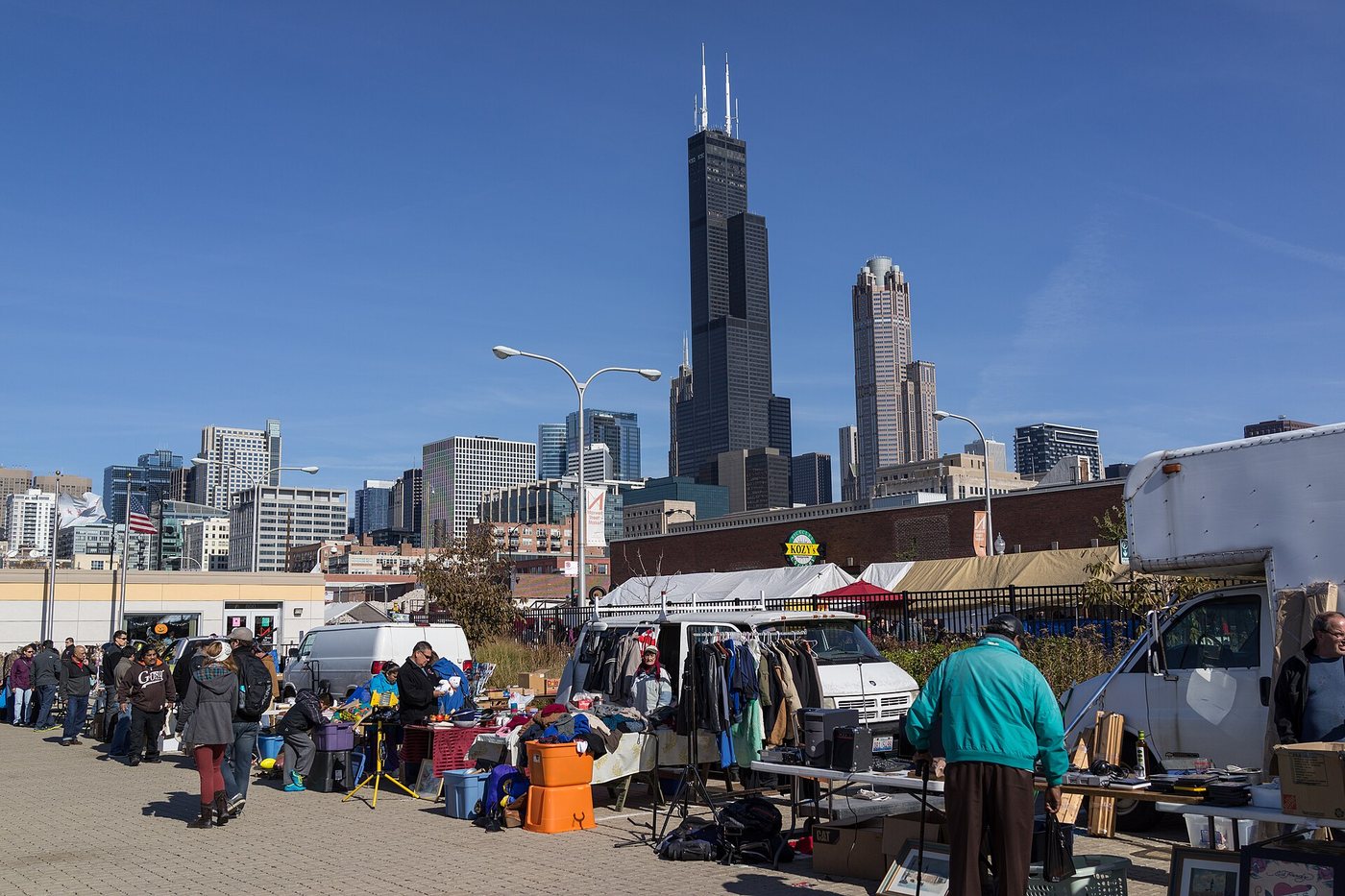
Edsel Little · CC BY-SA 2.0. Resized; thumbnails may be cropped.
Maxwell Street Market’s identity comes from generations of trade and music, not from one unchanging footprint.
Continue reading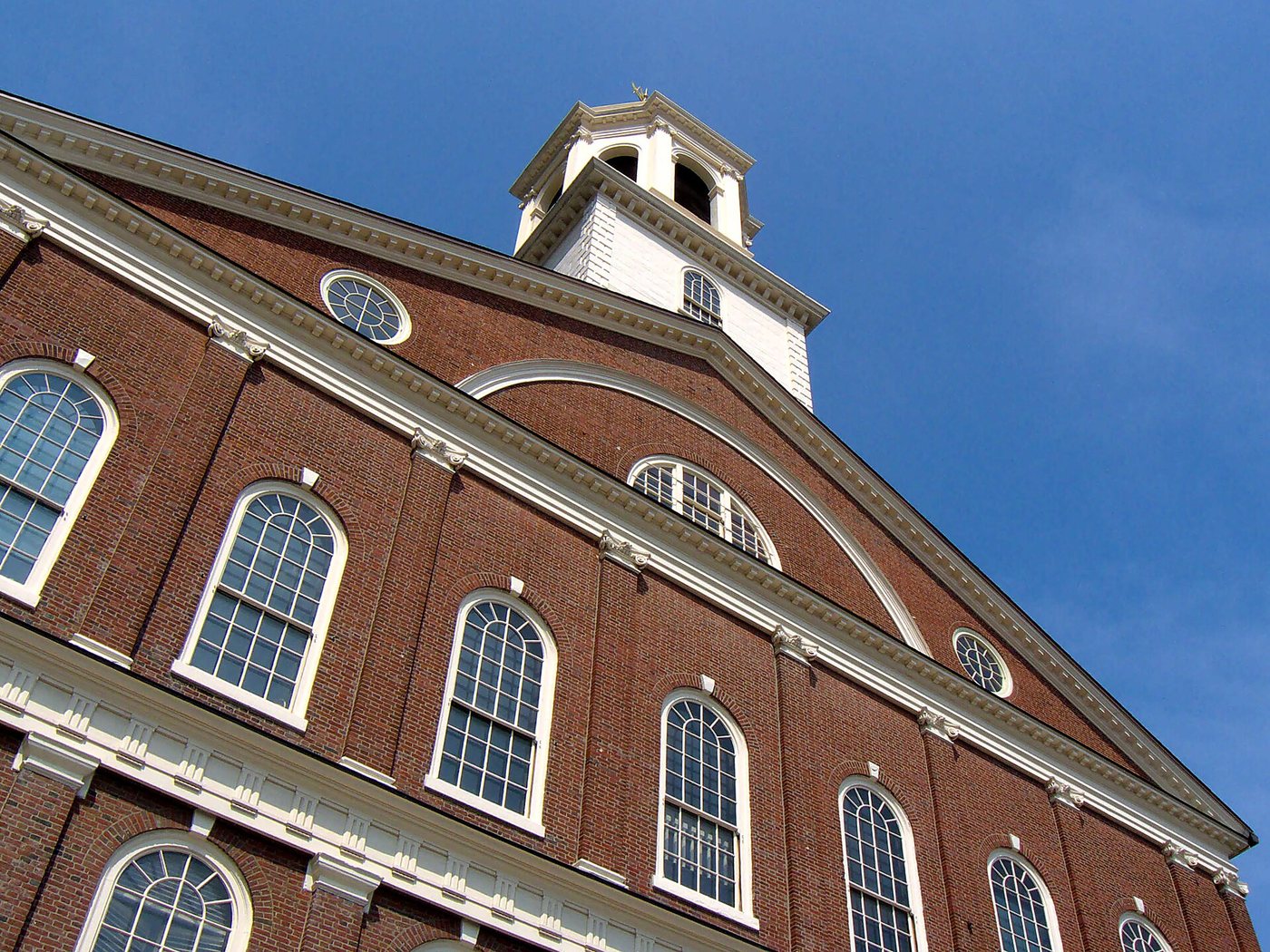
yeowatzup · CC BY 2.0. Resized; thumbnails may be cropped.
Faneuil Hall and Quincy Market belong to a connected district, but their dates, purposes and stories are not interchangeable.
Continue reading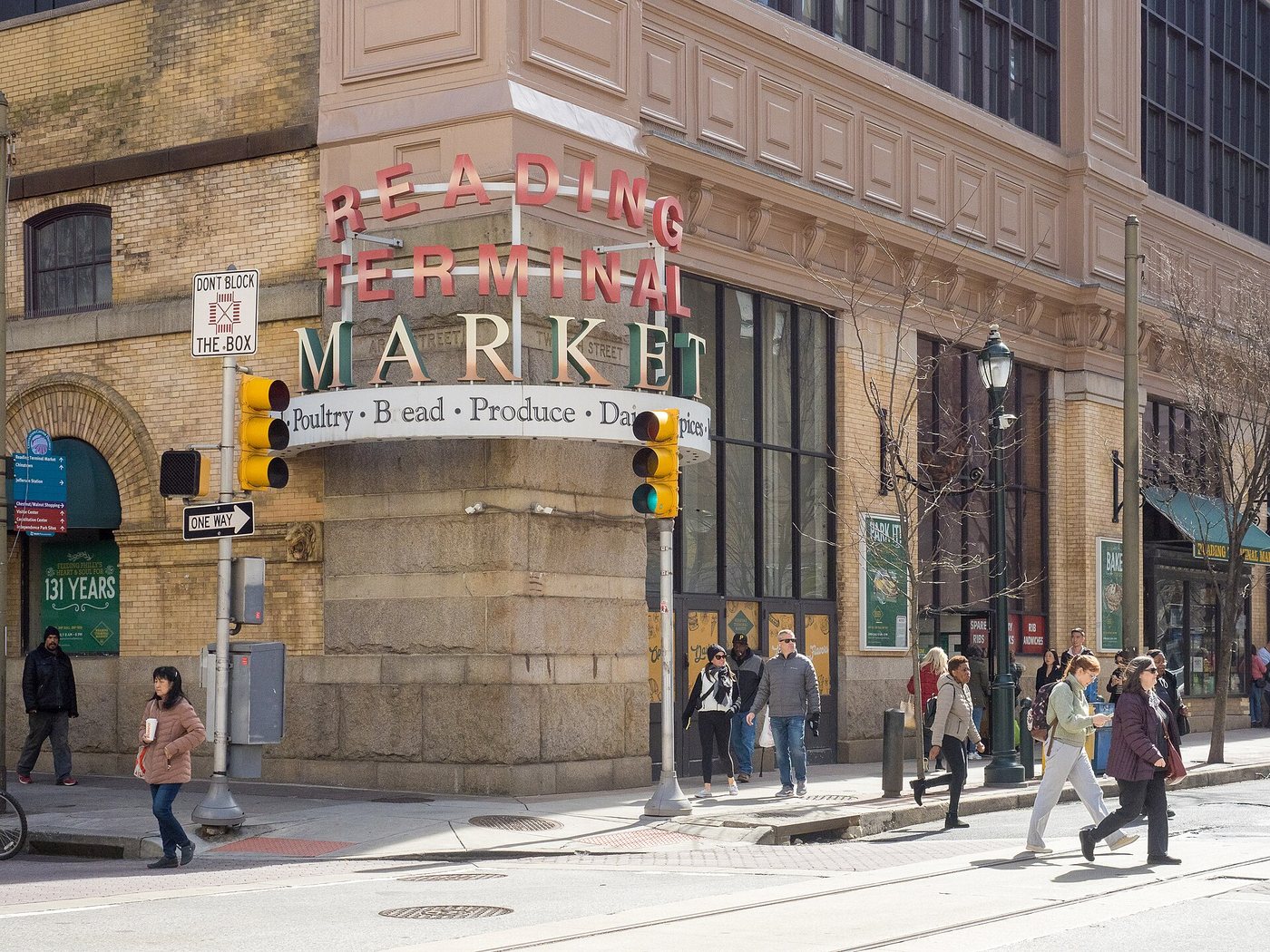
ajay_suresh · CC BY 2.0. Resized; thumbnails may be cropped.
The market’s dense interior grew from the meeting of food distribution and railway infrastructure.
Continue reading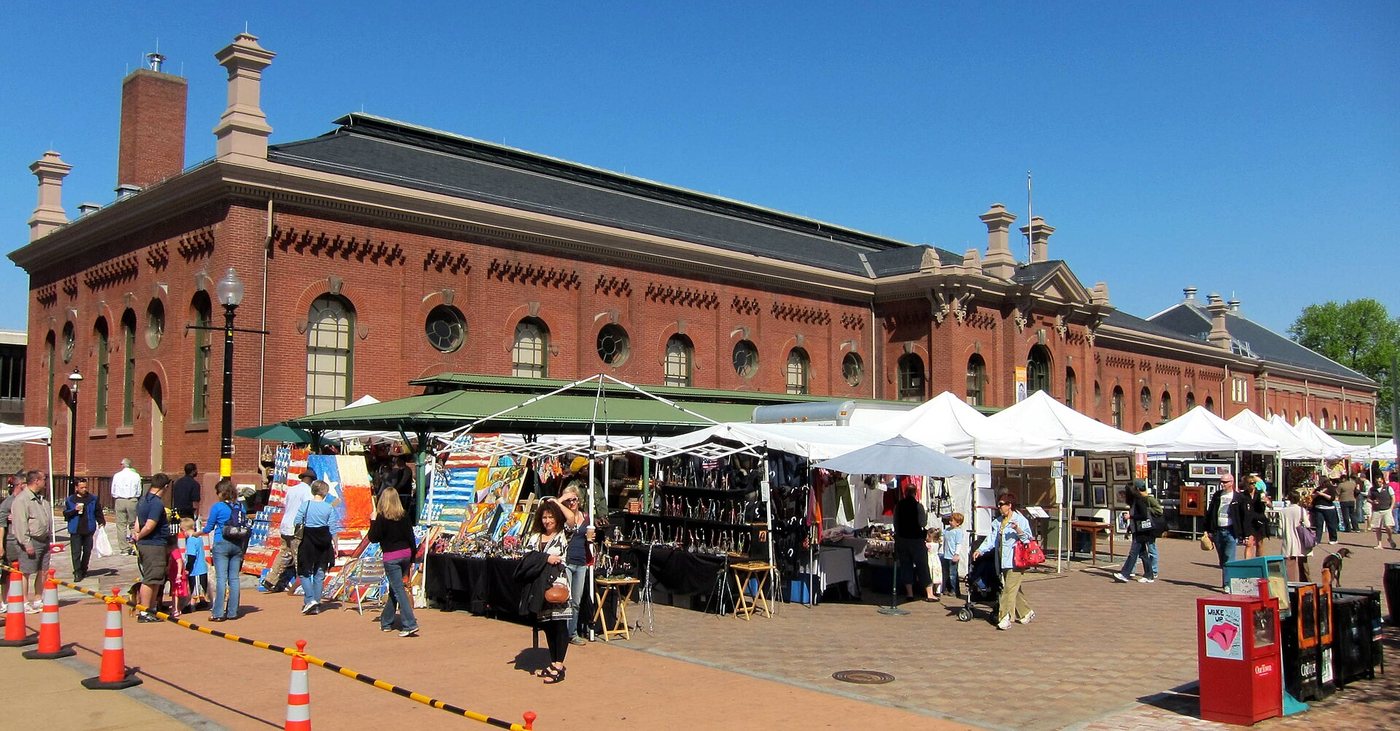
AgnosticPreachersKid · CC BY-SA 3.0. Resized; thumbnails may be cropped.
The brick market hall and the activity on nearby streets are related, but they are not the same space.
Continue reading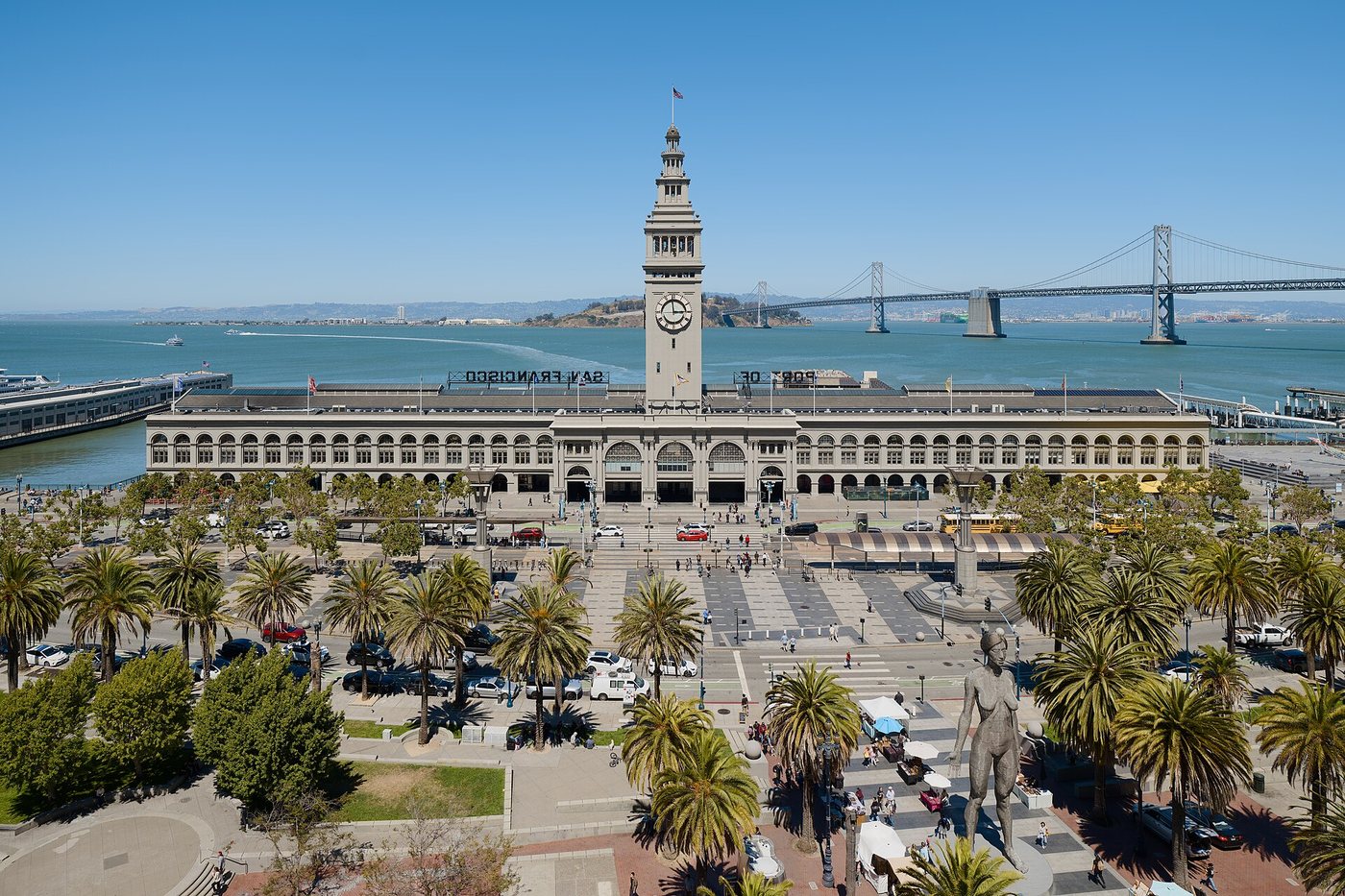
Daniel Lu (User:dllu) · CC BY-SA 4.0. Resized; thumbnails may be cropped.
A ferry terminal’s long interior became a food marketplace after decades of altered use.
Continue reading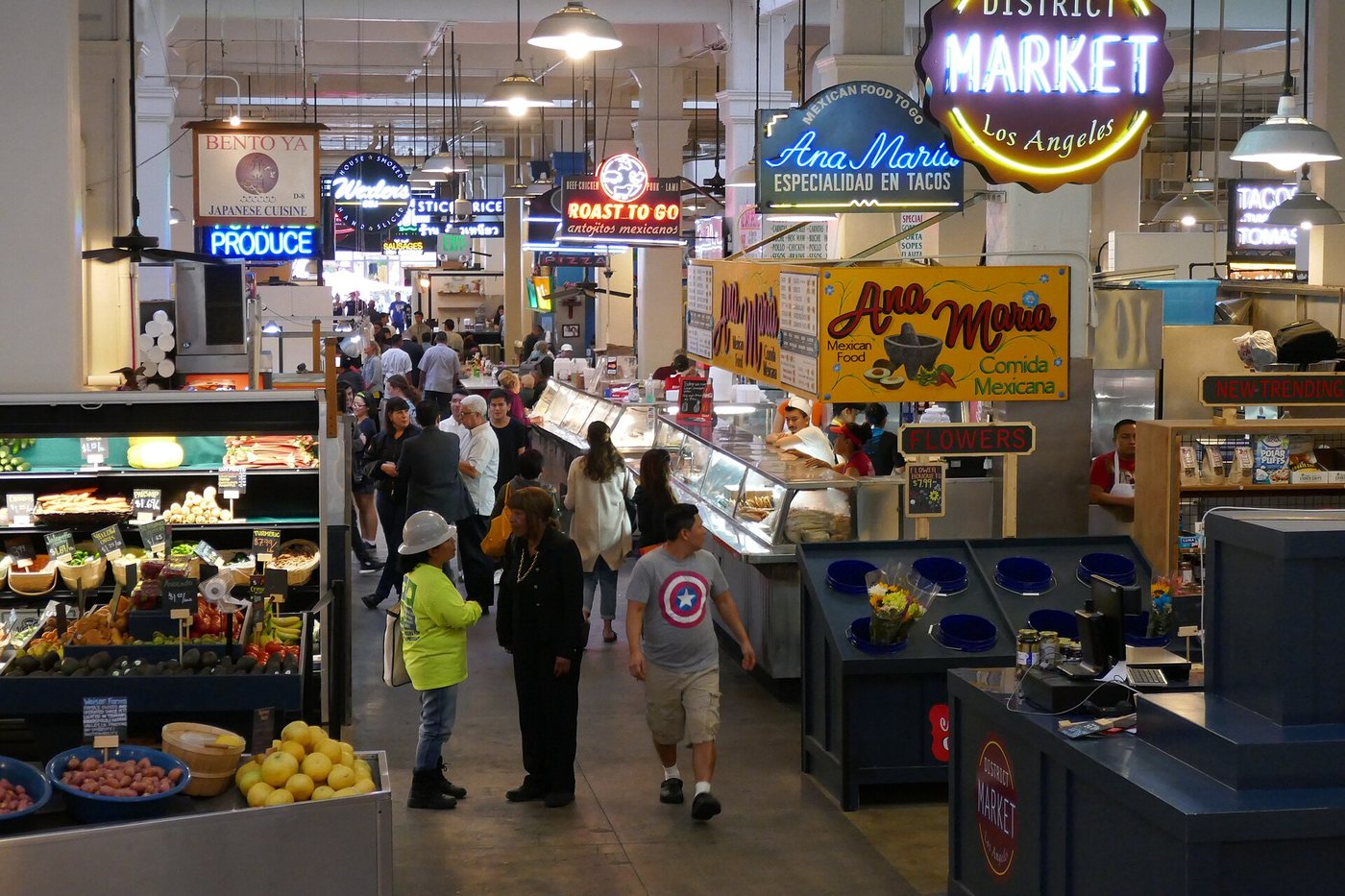
NewtonCourt · CC BY-SA 4.0. Resized; thumbnails may be cropped.
Grand Central Market carries a long food-retail history inside a downtown commercial building.
Continue reading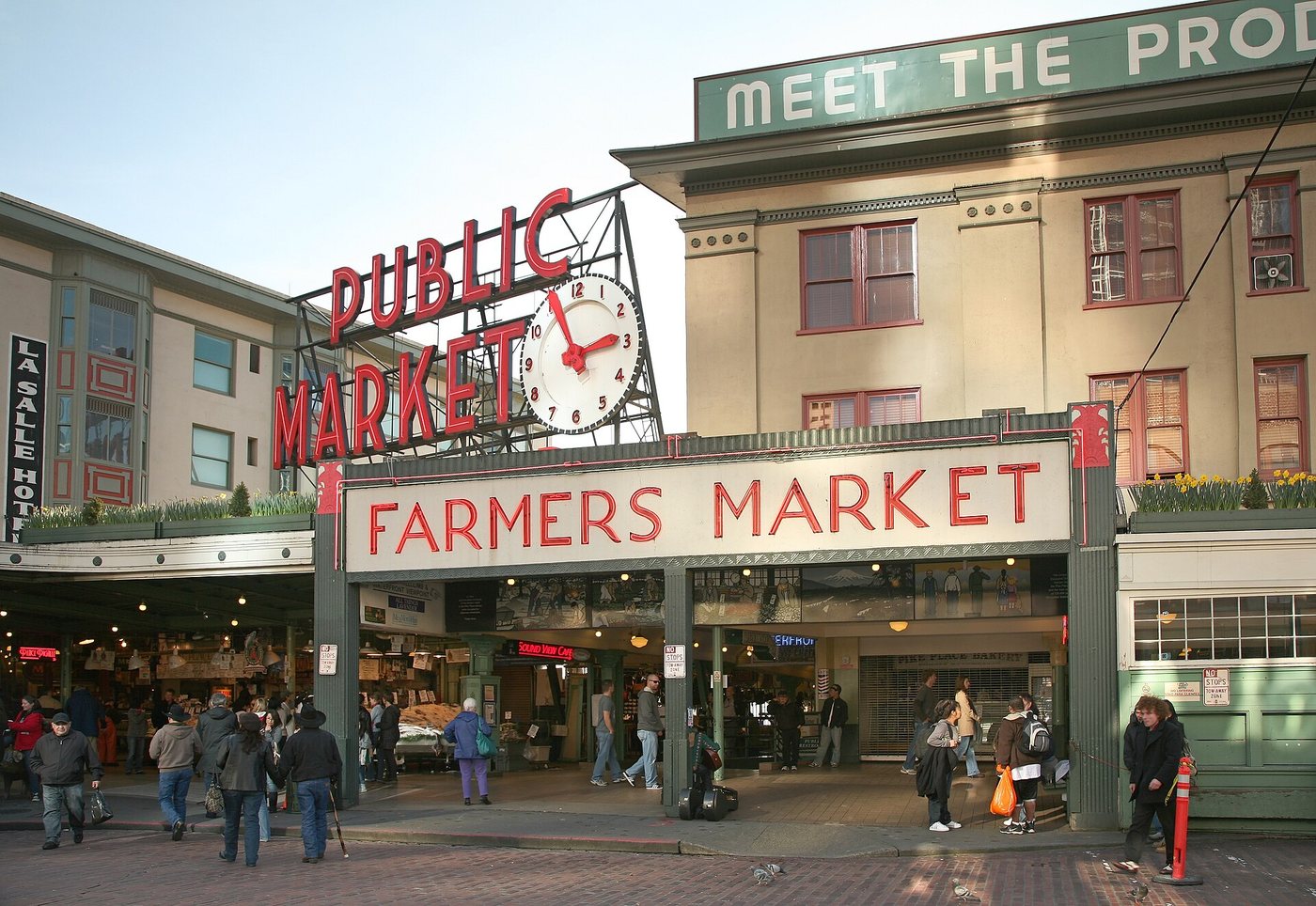
Daniel Schwen · CC BY-SA 4.0. Resized; thumbnails may be cropped.
Pike Place Market is a preserved working district whose history includes farmers, housing and a public vote.
Continue reading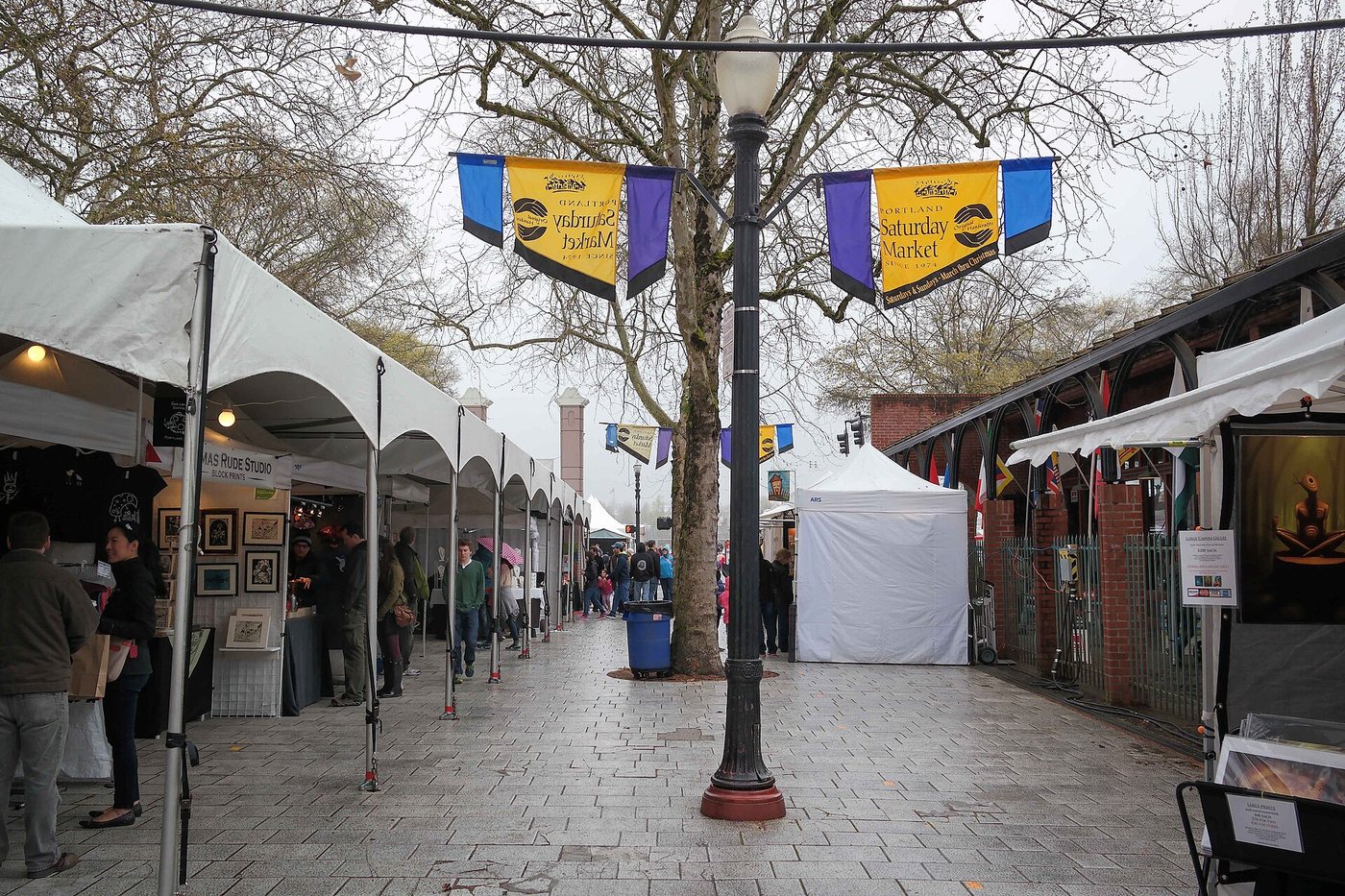
Visitor7 · CC BY-SA 3.0. Resized; thumbnails may be cropped.
Portland Saturday Market was created as a place where makers could sell their own work and share responsibility for the market.
Continue reading


