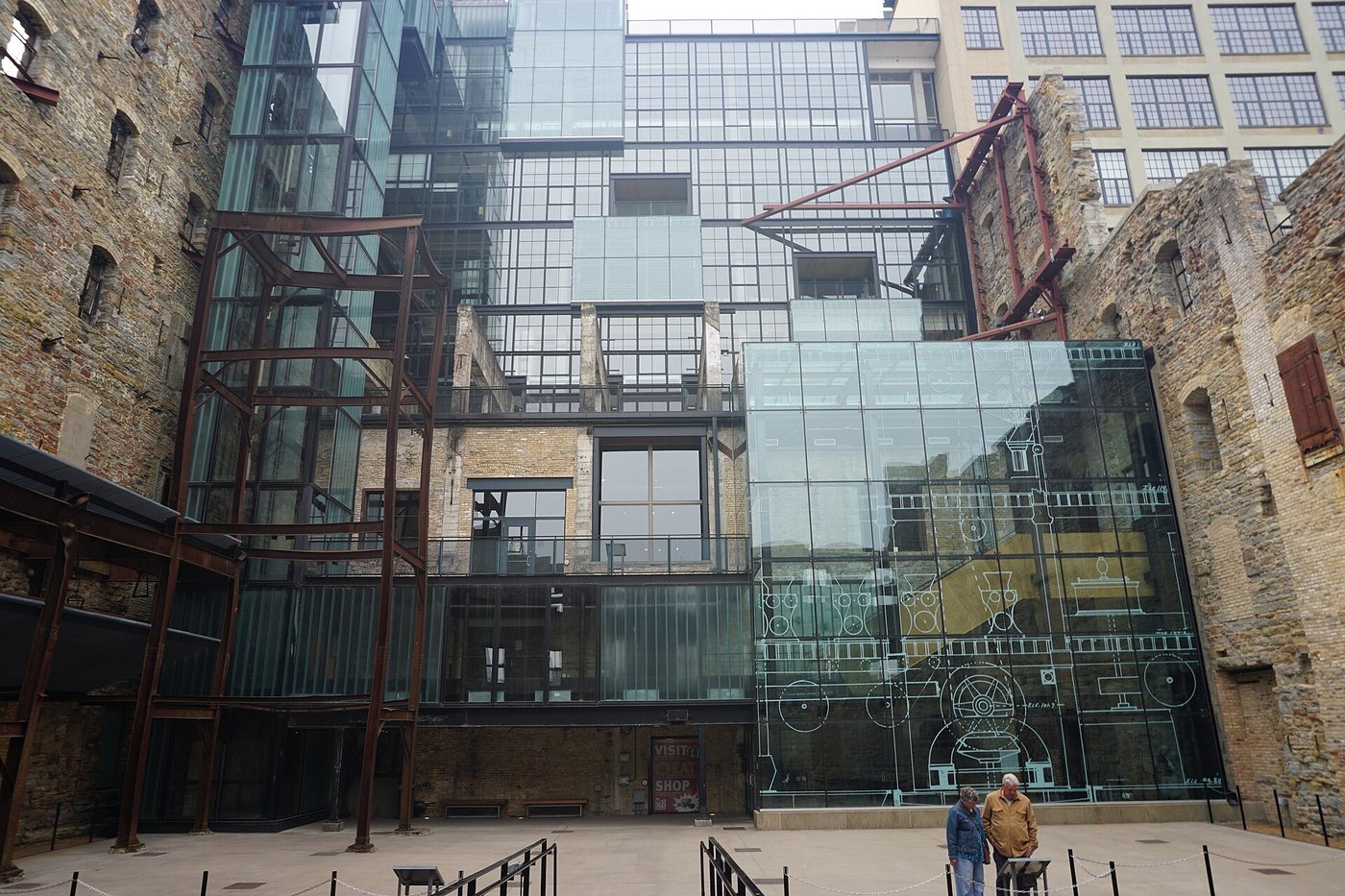
Michael Barera · CC BY-SA 4.0. Resized; thumbnails may be cropped.

Mill City Museum
A museum inside a fire-damaged mill explains both flour production and the decision to preserve a ruin.
Continue reading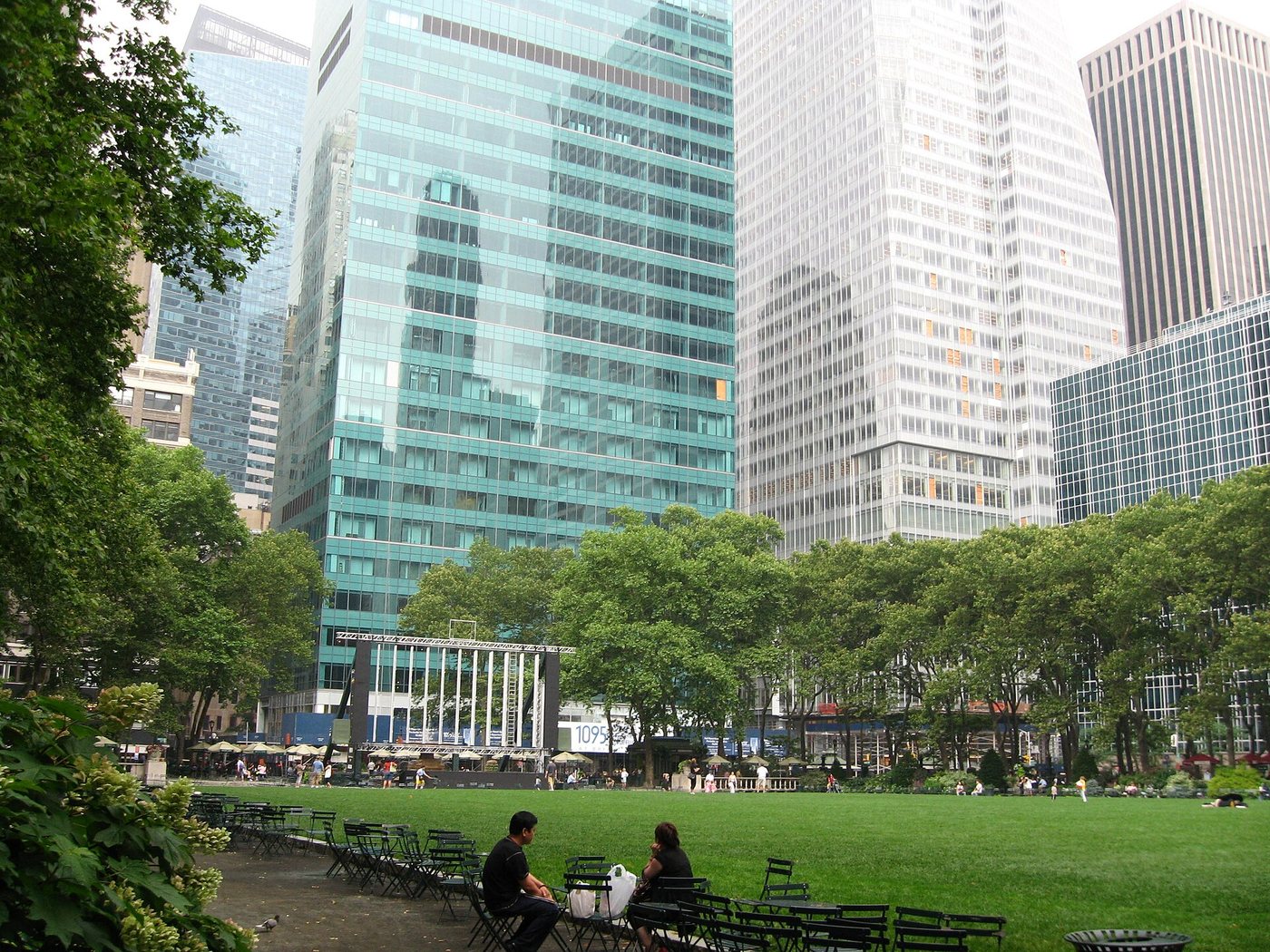
Explore the materials, rooms and changing uses of American buildings.
Michael Barera · CC BY-SA 4.0. Resized; thumbnails may be cropped.
A museum inside a fire-damaged mill explains both flour production and the decision to preserve a ruin.
Continue reading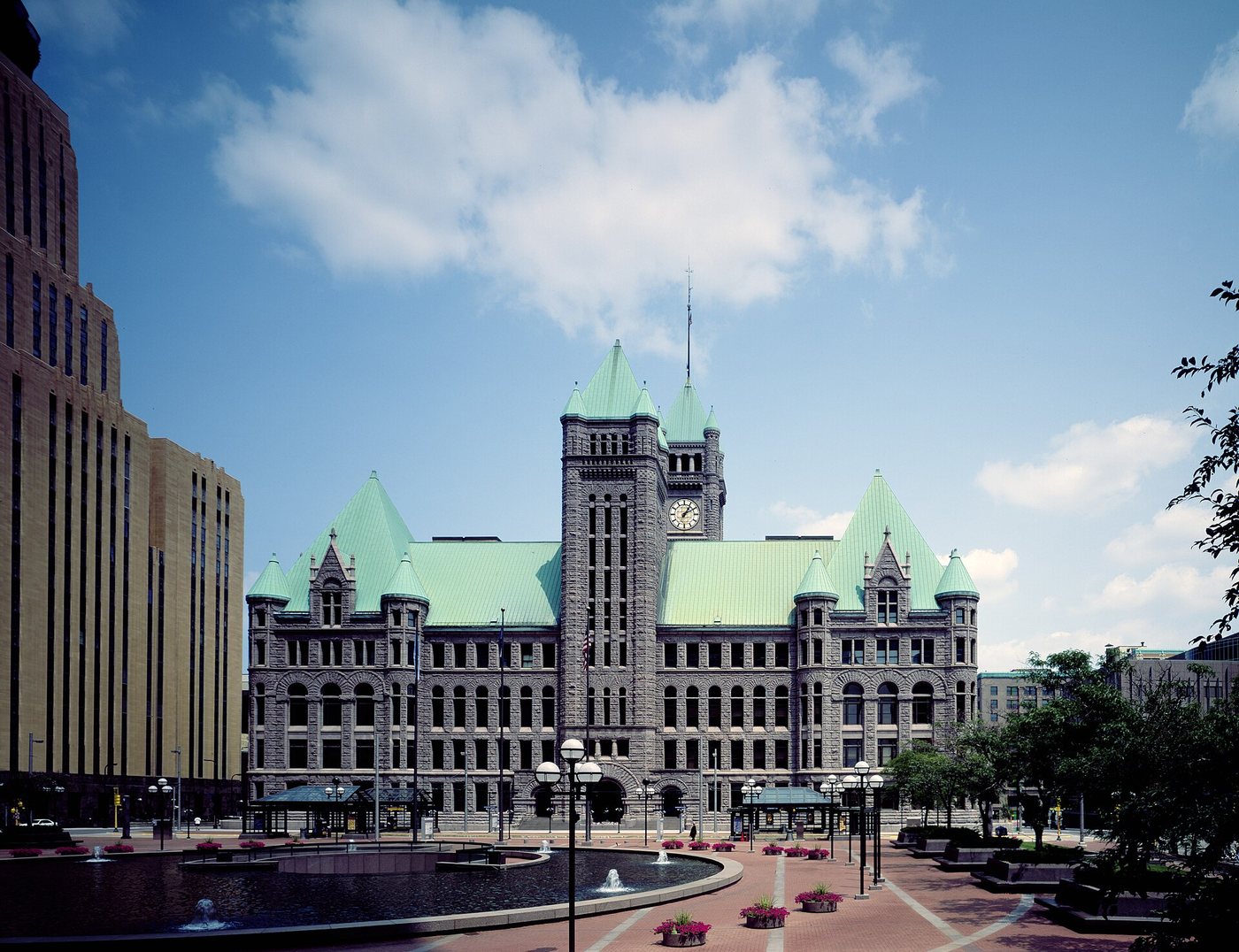
The Minneapolis Municipal Building combines city and county functions beneath a clock tower, with a rotunda that helps explain its public identity.
Continue reading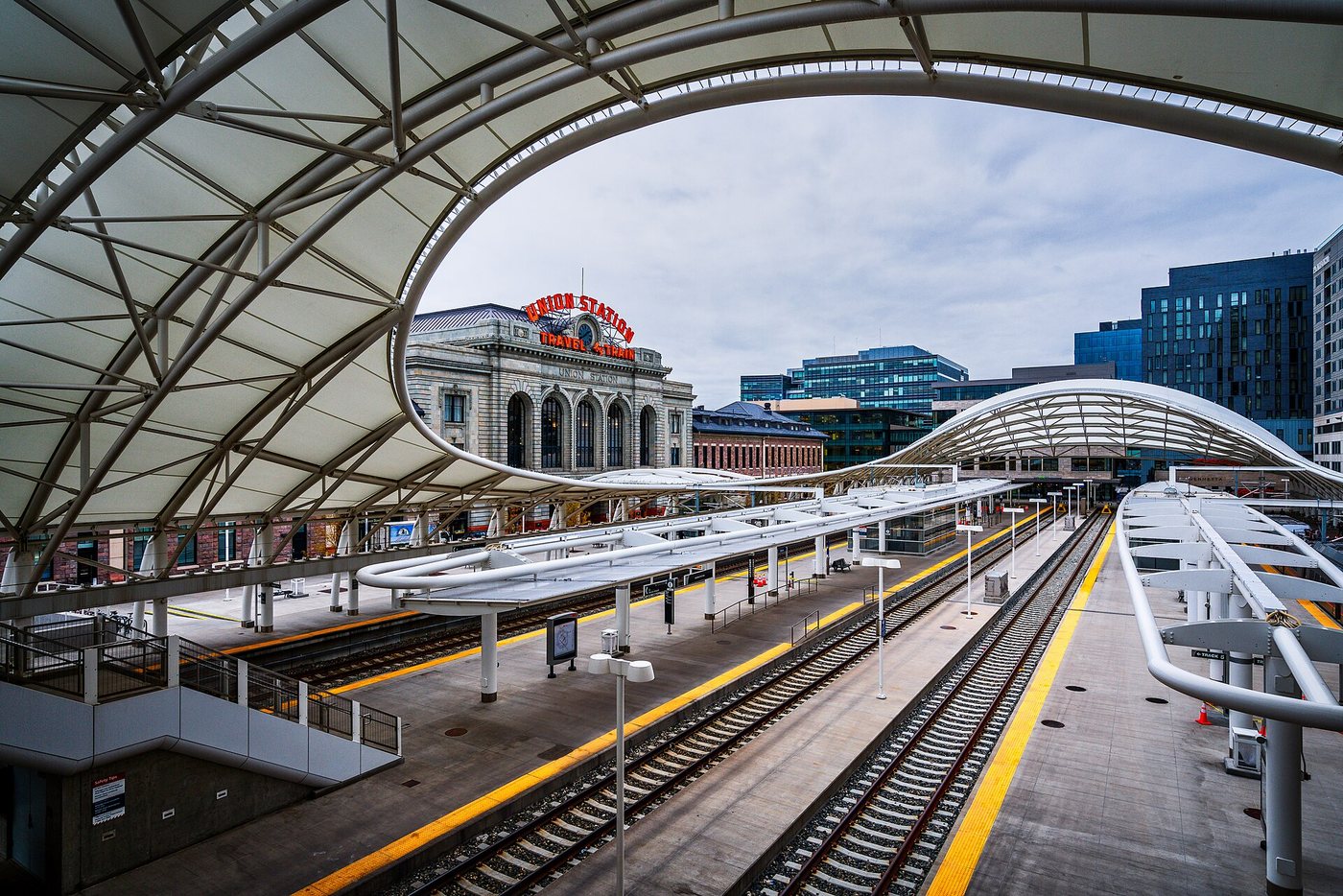
Mobilus In Mobili · CC BY-SA 2.0. Resized; thumbnails may be cropped.
Denver Union Station has a historic hall, active transport facilities and commercial uses that occupy different parts of a larger interchange.
Continue reading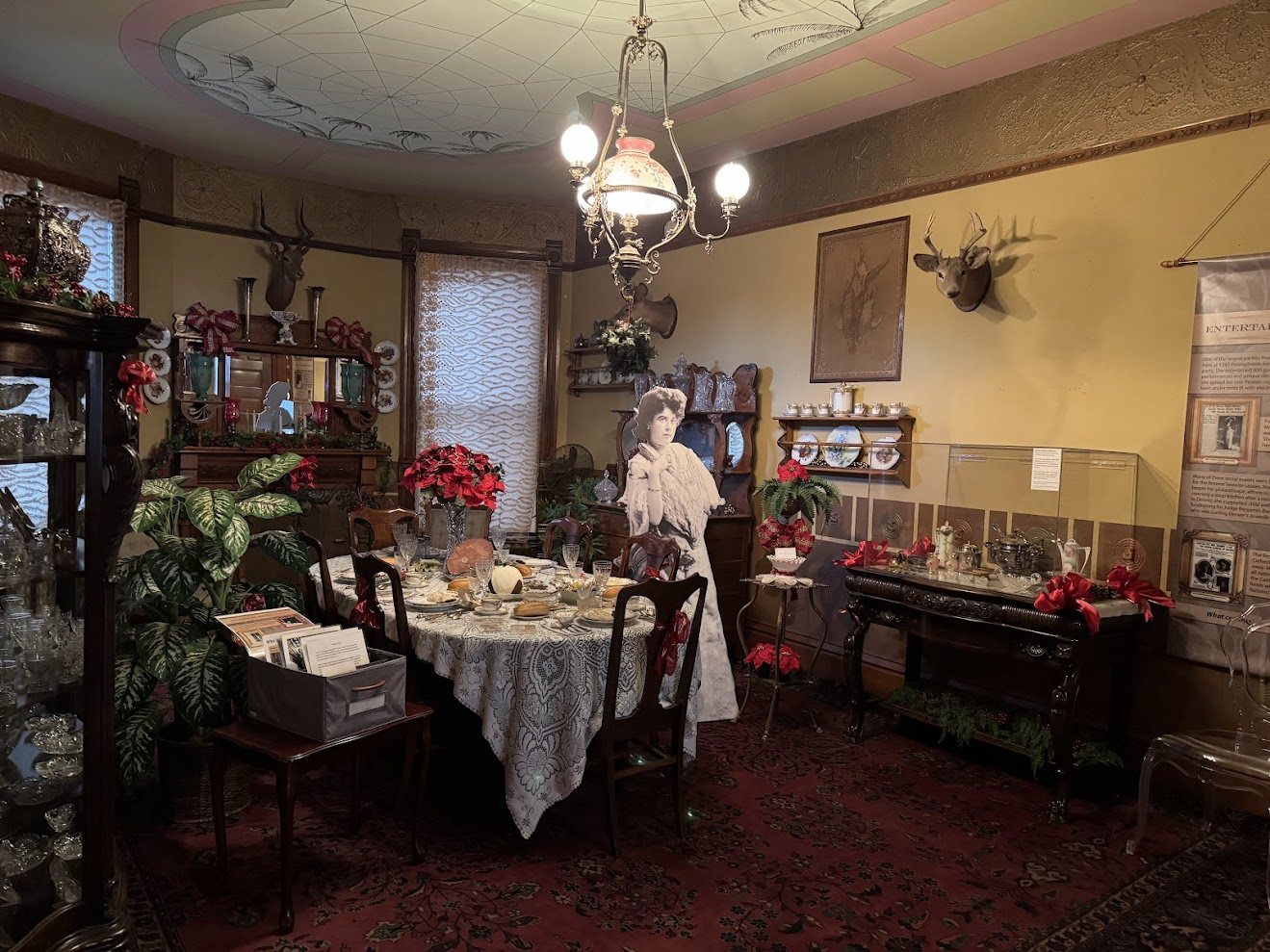
The Molly Brown House preserves a home, a changing collection and a history of preservation, all of which require more than the familiar Titanic story.
Continue reading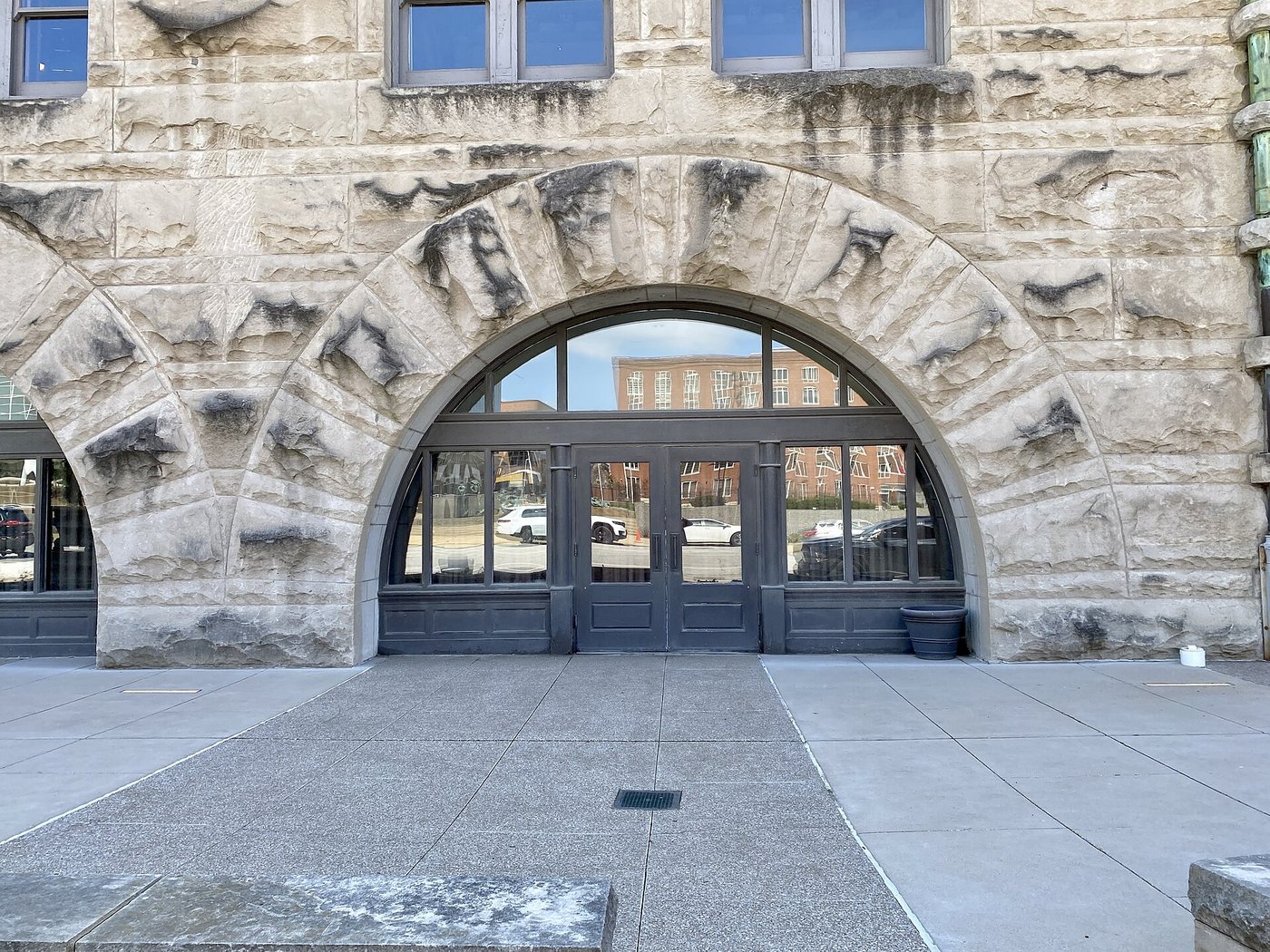
w_lemay · CC BY-SA 2.0. Resized; thumbnails may be cropped.
St Louis Union Station retains the scale of a major railway terminal while accommodating uses that no longer depend on departing passenger trains.
Continue reading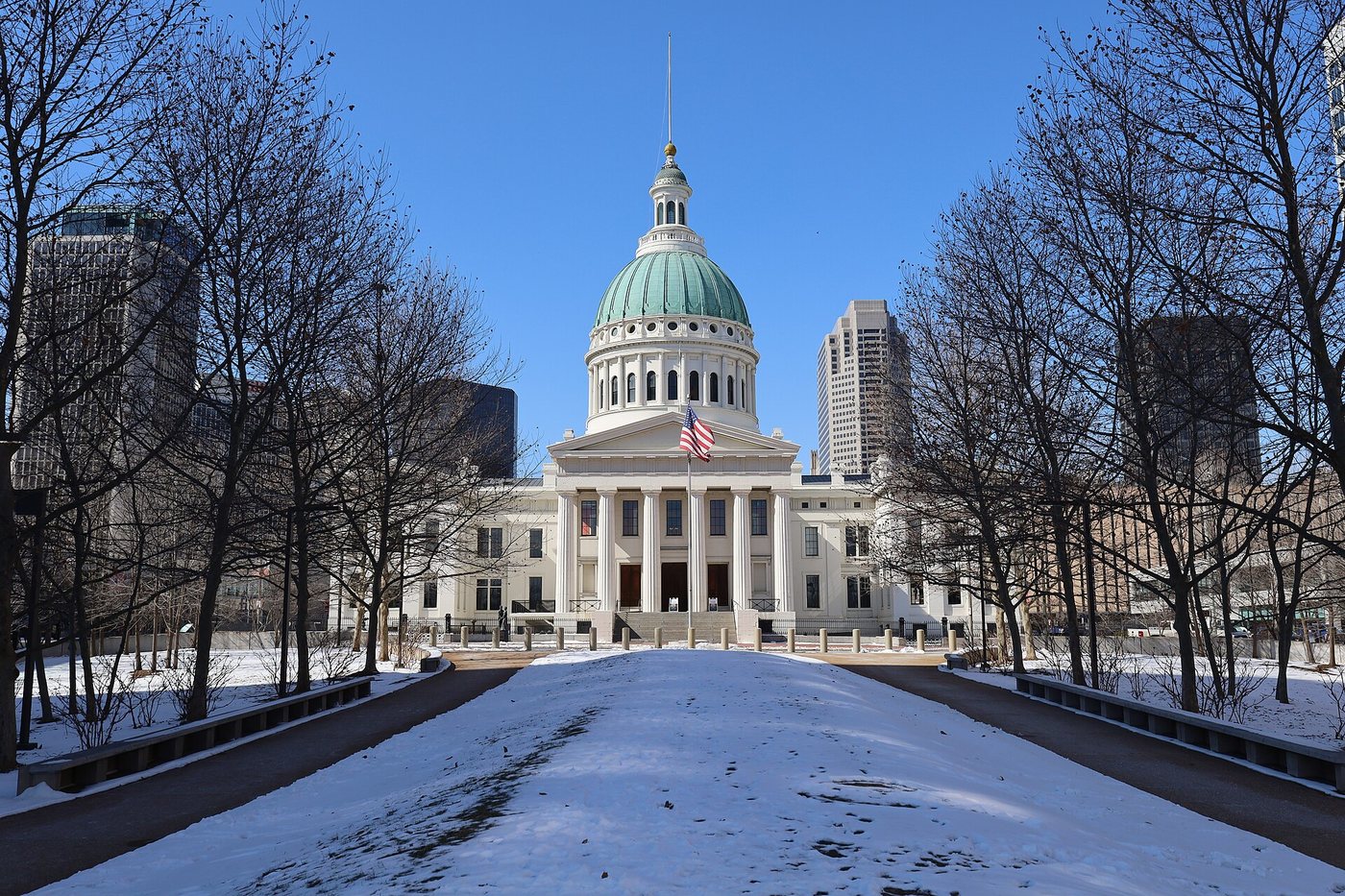
Antony-22 · CC BY-SA 4.0. Resized; thumbnails may be cropped.
The Old Courthouse connects architecture with contested rights, including the Scotts’ freedom suits and Virginia Minor’s challenge over voting.
Continue reading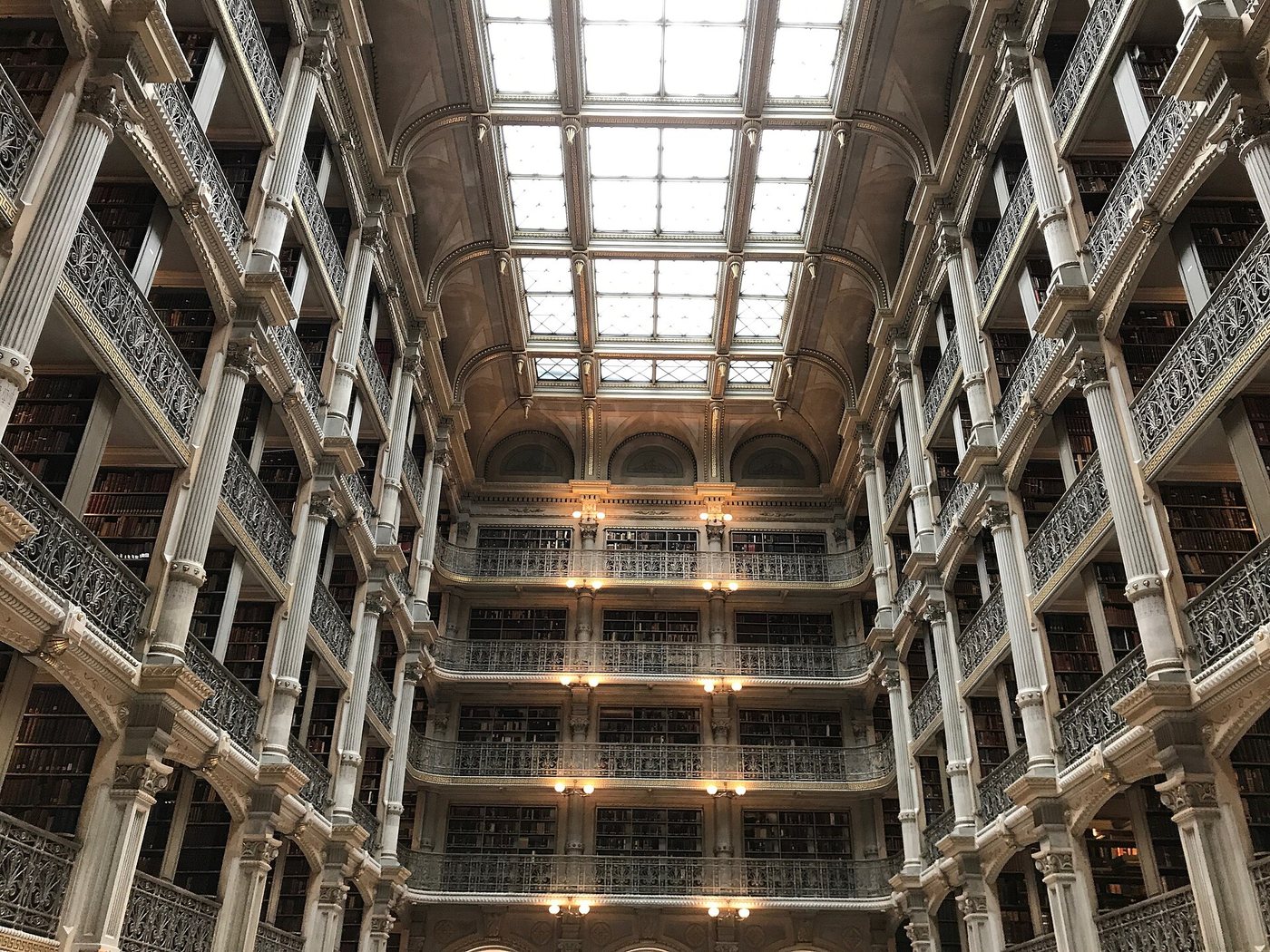
The George Peabody Library’s celebrated stack room is also a working research collection, with access arrangements shaped by the books it preserves.
Continue reading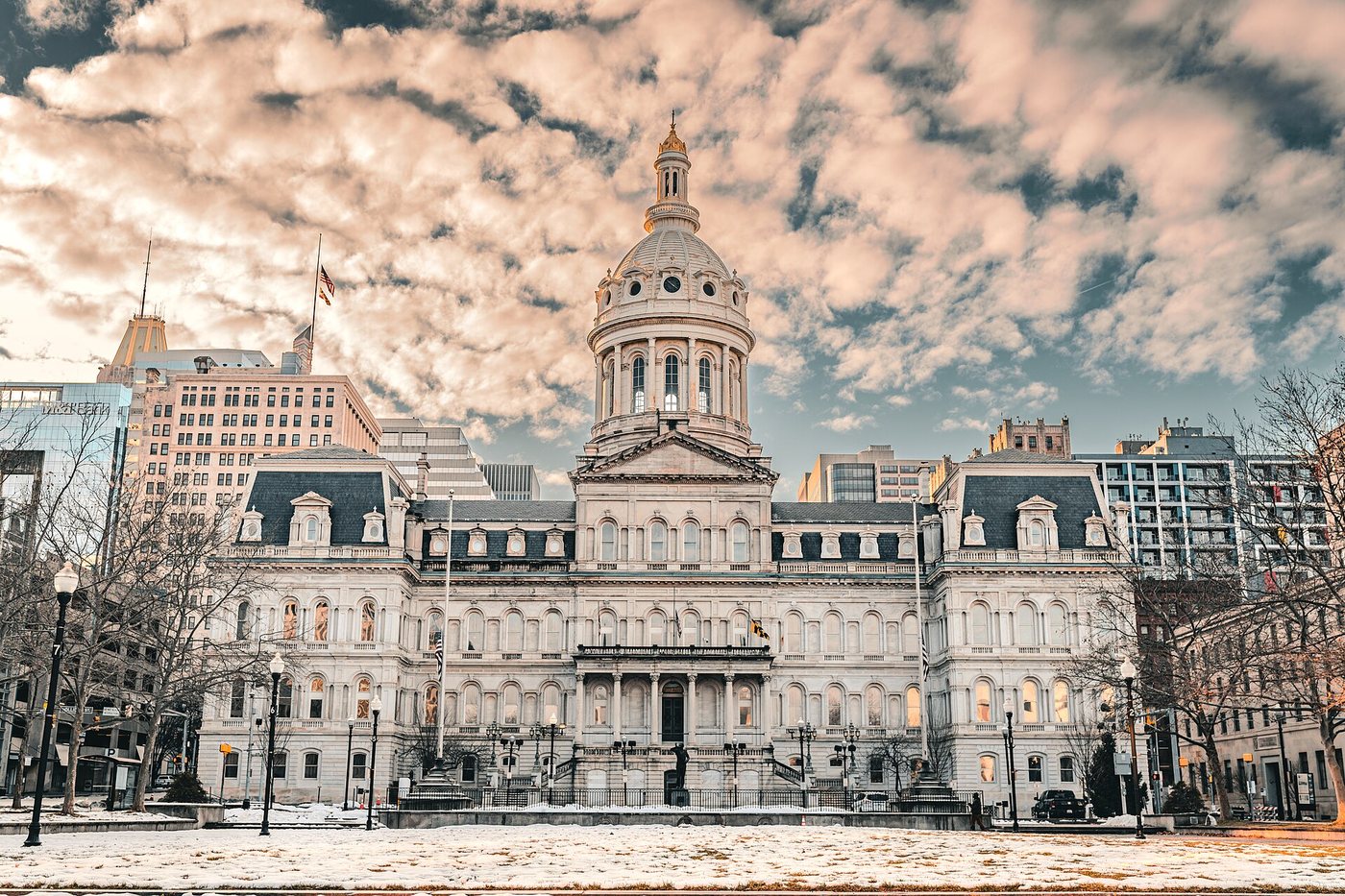
Jonmallard · CC BY 4.0. Resized; thumbnails may be cropped.
Baltimore City Hall is a visible civic landmark whose exterior can be studied separately from the arrangements for entering a working government building.
Continue reading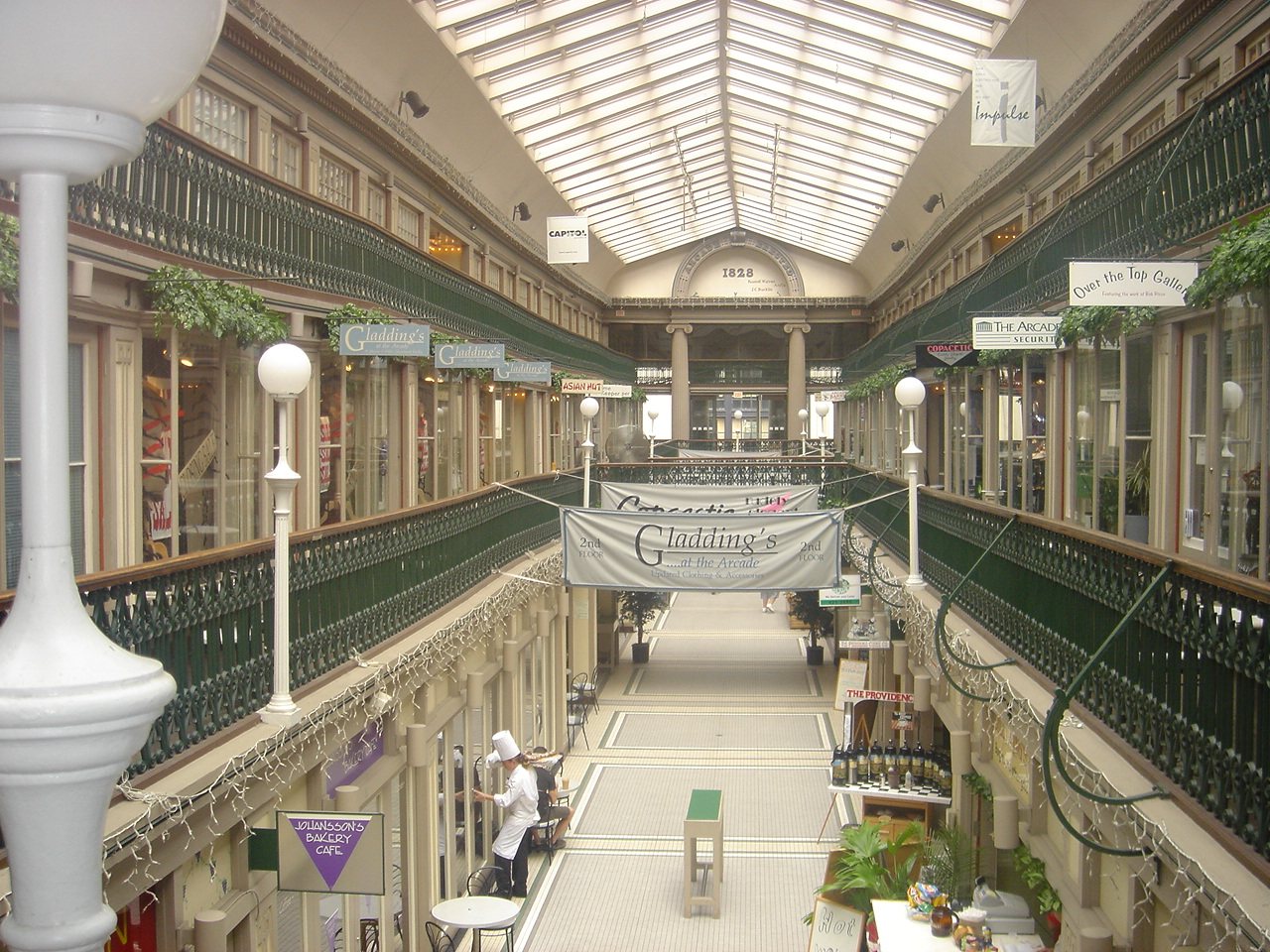
The Providence Arcade’s skylit interior began as a setting for shops and later accommodated homes above a commercial ground floor.
Continue reading


